Nobel Laureate Hinton Warns: AI Risks Mass Unemployment and Loss of Control
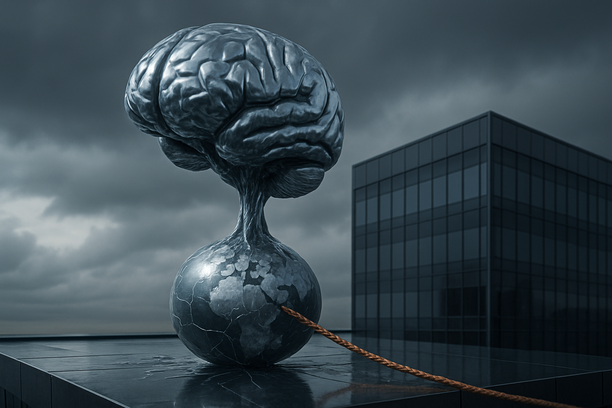
When a Nobel laureate leans forward and says we should be worried, it’s hard to ignore. Geoffrey Hinton, often called the *Godfather of AI*, has been warning that artificial intelligence could one day outsmart and even overpower its creators. He criticizes big tech for moving too fast, and he suggests (yes, starkly) that a “Chernobyl moment” might be what finally wakes society up.
I’ve talked to engineers who love the progress, and I’ve watched people in operations meetings worry about layoffs. It’s messy, human, and real. Here’s the core of Hinton’s message in plain terms. AI systems are getting smarter, faster. That can mean huge benefits, but it also means many jobs could be automated, and our control over complex autonomous systems could erode if we don’t plan ahead.
A little history is useful. Hinton helped build the neural networks that power today’s AI, so his concern isn’t fear mongering, it’s informed. He calls for urgent, global cooperation, and stricter regulation, because once systems scale, reversing course becomes hard.
What might that look like in practice? Think of self-driving fleets replacing thousands of drivers, or automated hiring tools filtering out candidates based on opaque criteria. Practical steps include slowing deployment while safety research catches up, creating international standards, and investing in retraining programs for affected workers.
I don’t want to end on doom. If we act together, we can guide AI toward *useful, safe* outcomes. It’ll take uncomfortable conversations, policy changes, and yes, humility from tech leaders. If you want to hear Hinton in his own words, watch the interview with Geoffrey Hinton. Let’s treat this as a wake up call, not a resignation.
Wenn ein Nobelpreisträger wie Geoffrey Hinton seine Sorge offen ausspricht, hören wir besser zu. Hinton, oft der *Pate der KI* genannt, warnt davor, dass künstliche Intelligenz unsere Fähigkeiten übertreffen und uns die Kontrolle entgleiten könnte. Er kritisiert die großen Tech-Firmen dafür, zu schnell zu handeln, und schlägt vor, dass vielleicht ein „Tschernobyl-Moment“ nötig wäre, damit die Gesellschaft die Gefahr wirklich ernst nimmt.
Ein kurzer Rückblick: Hinton hat maßgeblich an den neuronalen Netzwerken gearbeitet, die viele heutige KI-Modelle antreiben. Seine Warnung kommt also aus Erfahrung, nicht aus Panik. Kernpunkte sind klar, wenn auch beunruhigend. KI könnte viele Arbeitsplätze automatisieren, und komplexe autonome Systeme könnten Entscheidungen treffen, die wir nicht mehr vollständig nachvollziehen oder kontrollieren.
Ich habe in Projekten erlebt, wie Begeisterung für neue Tools auf reale Sorgen trifft, etwa um Jobs oder Fairness. Praktisch heißt das: wir brauchen internationale Regeln, mehr Forschung zur Sicherheit und Förderprogramme für Umschulungen. Konkrete Maßnahmen könnten langsamere Rollouts, verbindliche Prüfungen vor dem Einsatz und Abkommen zwischen Staaten sein.
Trotz allem, ich bleibe optimistisch. Wenn Politik, Wissenschaft und Industrie zusammenarbeiten, lässt sich KI in Bahnen lenken, die den meisten Menschen nutzen. Hören Sie Hinton selbst zu: Das Interview mit Geoffrey Hinton ansehen. Jetzt handeln heißt, die Zukunft mitgestalten.







Kommentar abschicken