From Vibe Coding To Vibe Engineering
From Vibe Coding To Vibe Engineering
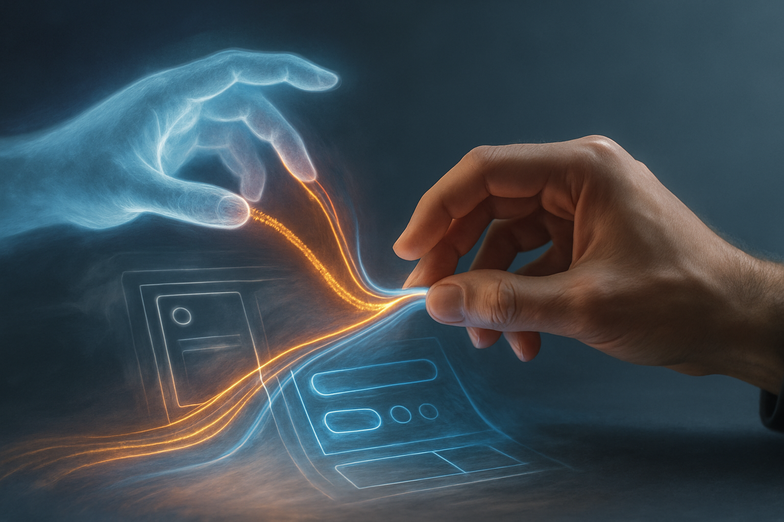
I watched Kitze’s talk and felt a little like someone who grew up on jQuery being handed a magic paintbrush, and told to make the whole room sing. That’s the charm of *vibe coding*, the idea he lays out: we’re moving from strict syntax and tooling, to collaborating with large language models to shape software.
At its core, vibe coding means you’re not just typing rules into a machine, you’re *having a conversation* with code. Think of it like sketching with a friend who can actually finish your sentence, suggest color palettes, and warn you about accessibility issues. Historically, web development swung between heavy frameworks and simple scripts, and now we’re entering a phase that echoes those cycles while redefining them, especially for the frontend.
I’ve spent plenty of nights refactoring a React component, wondering if there’s a better way to organize state. These days, I prompt an LLM, iterate quickly, and then sanity-check the result. The workflow changes. You trade some rote syntax muscle for product intuition, clarity in prompts, and the ability to verify outputs. It’s not magic, it’s craft plus collaboration.
Where does this lead? For beginners, faster prototyping. For experienced devs, a chance to focus on architecture, UX, and code quality. We’ll need new habits though, like rigorous testing, clearer prompts, and maintaining a mental model of what the AI did. And yes, there will be messy moments, small surprises, and those delightful aha moments.
If you want to dive deeper, watch the talk on YouTube, it’s worth the time. My takeaway is simple and optimistic, we’re not losing the craft of coding, we’re expanding it. *Vibe engineering* feels like building with better tools and better partners, and I’m excited to see what we build next.
Schau dir den Talk hier an: https://youtu.be/JV-wY5pxXLo?si=xGqLkBwVOEaTOdba
Von Vibe Coding zu Vibe Engineering
Kitze beschreibt etwas, das sich vertraut und neu zugleich anfühlt. Kurz gesagt, *vibe coding* heißt, dass wir weniger allein gegen die Syntax kämpfen, und mehr mit großen Sprachmodellen zusammenarbeiten, um Software zu formen. Das verändert vor allem die Frontend-Welt.
Historisch wechselte Webentwicklung zwischen leichten Skripten und schweren Frameworks. Jetzt wiederholen sich diese Zyklen, nur mit einer neuen Komponente: KI als aktiver Partner. Ich erinnere mich an Zeiten, in denen ich Stunden mit Fehlerbehebung verbracht habe. Heute frage ich ein Modell, iteriere, und prüfe die Ergebnisse. Schneller, ja, aber du brauchst andere Skills, etwa gute Prompts und ein kritisches Auge.
Konkrete Vorteile, kurz und knapp: schnellere Prototypen, bessere Design-Iterationen, und mehr Raum, dich auf Architektur und Nutzererfahrung zu konzentrieren. Risiken gibt es natürlich, etwa falsche Annahmen der KI oder übermäßiges Vertrauen. Die Lösung liegt in Tests, Review-Prozessen und der Bereitschaft, hinter die Vorschläge zu schauen.
Am Ende ist es eine Einladung. Vibe engineering ist keine Abkürzung für weniger Arbeit. Es ist ein Werkzeug, das uns erlaubt, kreativer und fokussierter zu sein. Wenn du neugierig bist, sieh dir den Talk an: https://youtu.be/JV-wY5pxXLo?si=xGqLkBwVOEaTOdba. Ich bin gespannt, wie wir diese neue Art zu bauen weiterentwickeln, und optimistisch, dass das Beste noch kommt.













Kommentar abschicken