Building Enterprise AI Agents: LangChain Deep Agents + Runloop Tutorial
Building Enterprise AI Agents: From Prototype to Production
If you’re curious about taking a LangChain Deep Agent from a neat local prototype to a reliable, shareable web app, this walkthrough is for you. I watched the tutorial and followed along, and what stuck with me was how practical the steps are, not just theory. The video guides you through customizing the agent environment, local testing, and then shipping everything with Runloop so your work actually runs in production without surprises.
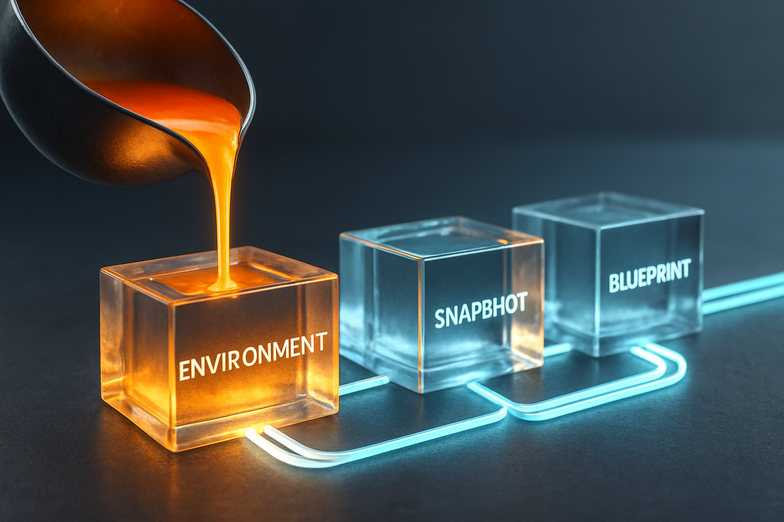
Quick overview: you start by forking the LangChain Deep Agents repo, add custom tools (I added a simple dependency analyzer), and test locally with the CLI and LangGraph server. Then you move to Runloop, where GitHub Actions become your deployment engine, devboxes let you reproduce environments, and snapshots give you persistent agentic state. Blueprints make environments reproducible, which is a small relief when you’ve broken things repeatedly (been there, more than once).
What I like most is the balance between developer experience and real-world reliability, monitoring included. The tutorial even shows shipping a Next.js app with agent integration, and it walks through observability so you can actually understand what your agent did, when. If you want the chapters and detailed steps, watch the original video here: https://youtu.be/rj5OhGujPoE?si=uXnzcgASkg0f_gBW
Resources you might want while trying this: LangChain (https://langchain.com), Runloop (https://runloop.dev), GitHub Actions (https://github.com/features/actions), Next.js (https://nextjs.org).
Where this is headed: agentic systems that are easy to iterate on locally, but also robust in production, with reproducible environments and clear monitoring. It feels doable, and a little exciting. Try a small prototype first, then use snapshots to keep your progress safe, and you’ll be shipping confidently before you know it.
Enterprise-AI-Agent bauen: Von Prototype bis Produktion
Wenn du einen LangChain Deep Agent von der lokalen Spielwiese in eine produktive Web-App bringen willst, ist das Tutorial eine sehr brauchbare Anleitung. Ich habe es mir angesehen und ein paar Schritte nachgebaut, und das Schöne ist die Mischung aus Praxis und Infrastruktur, statt nur Theorie. Zuerst forkst du das LangChain-Repo, fügst eigene Tools hinzu (bei mir war das ein kleines Tool zur Abhängigkeitsanalyse) und testest lokal per CLI und LangGraph Server.
Der nächste Schritt ist Runloop. Dort sorgen GitHub Actions für die automatisierte Bereitstellung, Devboxes geben dir reproduzierbare Entwicklungsumgebungen, und Snapshots speichern den Agentenzustand dauerhaft. Blueprints helfen, Umgebungen konsistent zu halten, was echt nützlich ist, wenn man kurz davor ist, etwas aus Versehen zu zerstören (kleiner Erfahrungswert).
Besonders hilfreich fand ich den Teil zum Shipping einer Next.js-App mit Agent-Integration, plus Monitoring und Observability, damit du nachvollziehen kannst, was dein Agent tatsächlich gemacht hat. Den originalen Vortrag mit Kapiteln findest du hier: https://youtu.be/rj5OhGujPoE?si=uXnzcgASkg0f_gBW
Kurz gesagt, das ist ein praktischer Fahrplan: lokal iterieren, dann mit Runloop und Snapshots in Produktion bringen. Wenn du klein anfängst und die Devbox-Snapshots nutzt, bewahrst du dir deine Arbeit und kannst später sicher skalieren. Klingt vernünftig, und macht tatsächlich Spaß.













Kommentar abschicken