Lobsterfolks! I made prose a first-class plugin for @clawdbot – would love feedback and how it compares to the more codi

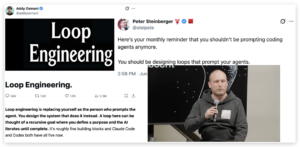
In a recent post, Pete Steinfeld announced he made *prose* a first-class plugin for @clawdbot, and he’s asking for feedback on how it stacks up against the more codified, token-efficient **Lobster** plugin. It’s a short update, but it opens a neat conversation about design tradeoffs, so it’s worth pausing on.
At its core, the change sounds simple: give *prose* parity as an official plugin option, instead of treating it as an afterthought. That matters because developers often choose between something that reads naturally (prose) and something optimized for tokens and structure (Lobster). The post doesn’t dive deep into implementation, (that’s intentional, it’s an invitation to the community), but it does frame the question nicely: do you prefer human-readable prompts, or tight, efficient schemas?
A little context helps. Lobster was built to be compact and predictable, which is great when you care about cost and repeatability. *Prose*, by contrast, leans into clarity and expressiveness, which can reduce cognitive overhead when iterating quickly. Both approaches have a place. In practice, teams might prototype in *prose* to explore ideas, then refactor into Lobster for production, or keep both available and pick what fits the task.
Pete’s post is asking for comparisons, edge cases, and real-world impressions. That’s where the conversation gets useful, because tradeoffs are best understood through examples: chatbots that need fast, cheap responses, versus creative assistants where nuance matters more.
Read the original update on X here: https://x.com/steipete/status/2014510185704779845
It’s a small, thoughtful nudge to the community, and an invitation to shape the next step. Expect some blending of ideas, gradual polish, and hopefully plugins that let teams work the way they think, not the way a token counter demands.




Kommentar abschicken