Beynd OCR: How AI Agents Parse Complex Docs
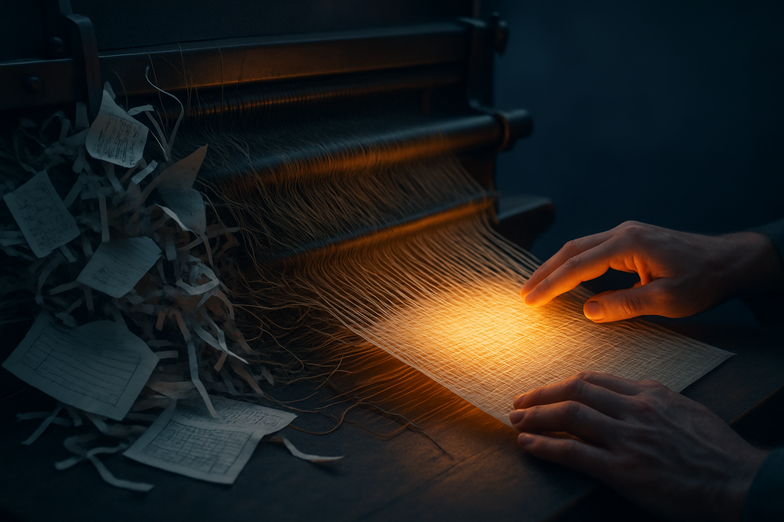
Why traditional OCR trips up, and how AI agents are fixing it
If you’ve ever scanned a stack of receipts or tried to turn a messy PDF into usable data, you know the frustration. Traditional OCR is great for clean, single-column pages, but real life is messier. Handwritten margins, multi-column layouts, embedded charts, skewed scans, tables inside tables, you name it, and suddenly that neat text output falls apart.
I’ve wrestled with invoices that looked fine to the eye, but to a parser they were a puzzle. That’s why the upcoming LlamaParse webinar caught my attention. On December 4th at 9 AM PST, the team will share how to go beyond simple text extraction and actually automate *understanding* of messy documents. You’ll hear practical approaches, trade-offs, and real-world workflows that handle edge cases instead of breaking on them.
Here’s the core idea, in plain terms. Instead of treating OCR as the final step, think of it as the first step in a pipeline where AI agents combine layout awareness, context, and small verification loops (sometimes with a human in the loop). That means interpreting a chart caption, recognizing a handwritten note in a margin, or extracting a nested table without losing relationships between fields. Sounds fancy, but it’s basically teaching systems to read like we do, not like a scanner.
If you’re responsible for invoices, legal docs, research papers, or any archive of scanned files, this webinar is worth your time. Register now, you’ll get insights you can try the next day. I’m planning to attend, and I’ll share my notes afterward (because I know you’ll want the shortcuts).
Register here: https://landing.llamaindex.ai/beynd-ocr-how-ai-agents-parse-complex-docs
When: December 4th, 9 AM PST
© 2025 LlamaIndex Workshop. All rights reserved.
—————————————-
Warum klassische OCR oft scheitert, und wie AI-Agenten das ändern
Wenn man versucht, handschriftliche Notizen, mehrspaltige Layouts oder Charts aus PDFs zu extrahieren, merkt man schnell, dass klassische OCR an Grenzen stößt. Ich erinnere mich an einen Stapel Vertragsseiten, bei denen Tabellen ineinander verschachtelt waren, und das Ergebnis war ein Durcheinander. Frustrierend, und sehr vertraut.
Am 4. Dezember um 9 Uhr PST erklärt das LlamaParse-Team in einem Live-Webinar, wie man über reine Textextraktion hinauskommt und stattdessen das *Verstehen* unstrukturierter Dokumente automatisiert. Kurz gesagt, es geht darum, Systeme so zu gestalten, dass sie Kontext und Layout berücksichtigen, Hinweise aus Umgebungen wie Bildunterschriften oder handschriftlichen Randnotizen nutzen, und bei Unsicherheiten kleine Prüfpfade (oder eine Mensch-in-der-Schleife) einbauen.
Das klingt vielleicht technisch, aber die Idee ist simpel: statt OCR als Endpunkt zu sehen, nutzt man es als Startpunkt für eine intelligente Pipeline, die Beziehungen zwischen Feldern bewahrt und ungewöhnliche Formate robust verarbeitet. Für alle, die mit Rechnungen, juristischen Dokumenten oder Archivmaterial arbeiten, sind das handfeste Verbesserungen, die Zeit sparen und Fehler reduzieren.
Ich werde beim Webinar dabei sein, weil ich solche Lösungen selbst brauche, und ich glaube, viele von euch haben ähnliche Probleme. Wenn du konkrete Beispiele oder Fragen hast, bring sie mit, das macht das Ganze praktischer.
Hier registrieren: https://landing.llamaindex.ai/beynd-ocr-how-ai-agents-parse-complex-docs
Wann: 4. Dezember, 9 Uhr PST
© 2025 LlamaIndex Workshop. All rights reserved.












Kommentar abschicken