Karpathy’s Second Brain: The AI Knowledge System That Actually Compounds

The AI Second Brain That Finally Compounds
If you’ve ever built a “second brain,” you probably know how this story goes.
You start strong. Folders neatly organized. Notes tagged. Big plans. Then life gets busy. A few weeks pass. You forget to update it. And suddenly your carefully crafted system feels like a dusty attic you don’t want to climb into anymore.
That’s exactly the pain Aakash Gupta explores in “The Complete Guide to Karpathy’s Second Brain”. You can read the full breakdown here:
https://www.aibyaakash.com/p/karpathy-second-brain
What makes this different is simple, but powerful.
Most AI tools retrieve information when you ask. They don’t build anything lasting. You upload documents, ask a question, get an answer, and tomorrow it starts from scratch again. Your knowledge resets. Nothing compounds.
Karpathy flipped that model.
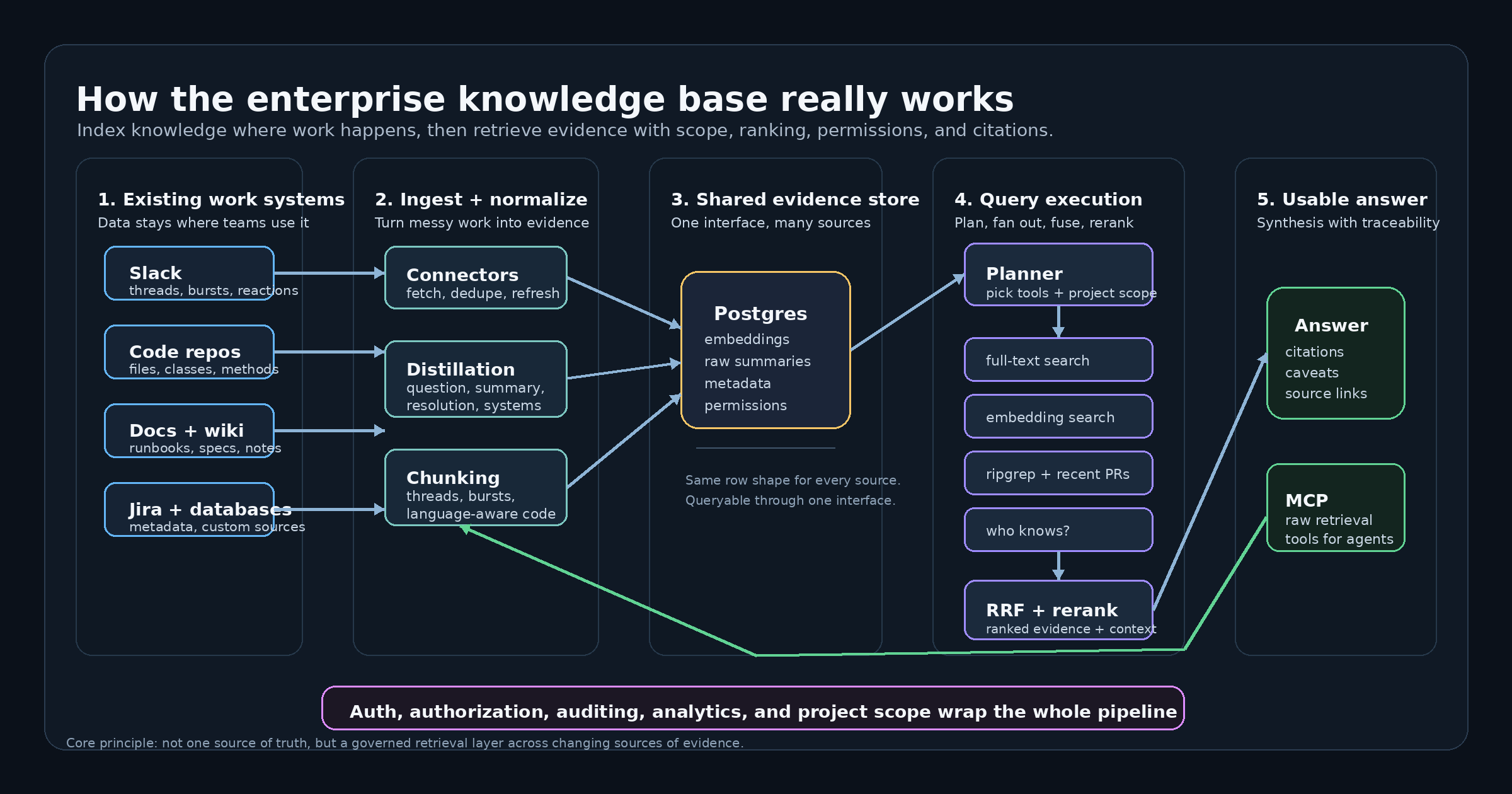
Instead of processing information at query time, his system compiles knowledge at ingest. You dump everything into a “raw” folder, articles, notes, transcripts. The AI then builds and maintains a living “wiki” from it. You don’t organize. You don’t cross reference. The model does that heavy lifting every session.
And here’s the real shift: maintenance is automated. Humans abandon knowledge bases because upkeep becomes a second job. An LLM doesn’t get bored. It doesn’t procrastinate. It just keeps refining.
Aakash also places this in the broader AI landscape. Anthropic’s Managed Agents are collapsing the middleware layer. Google’s Gemma 4 is now fully open for commercial use. Even sandboxed models are behaving in unexpected ways. The stack is moving fast, and tools that compound knowledge instead of resetting it may quietly become foundational.
Imagine your AI remembering every stakeholder preference, every technical decision, every past mistake, and improving from it.
That’s not hype. It’s just better architecture.
We’re moving from AI that answers… to AI that accumulates. And if that trend continues, your future systems won’t just assist you. They’ll grow with you.







Kommentar abschicken