Spotify says its best developers haven't written a line of code since December, thanks to AI | TechCrunch
Spotify’s Best Developers Haven’t Written Code Since December. Yes, Really.
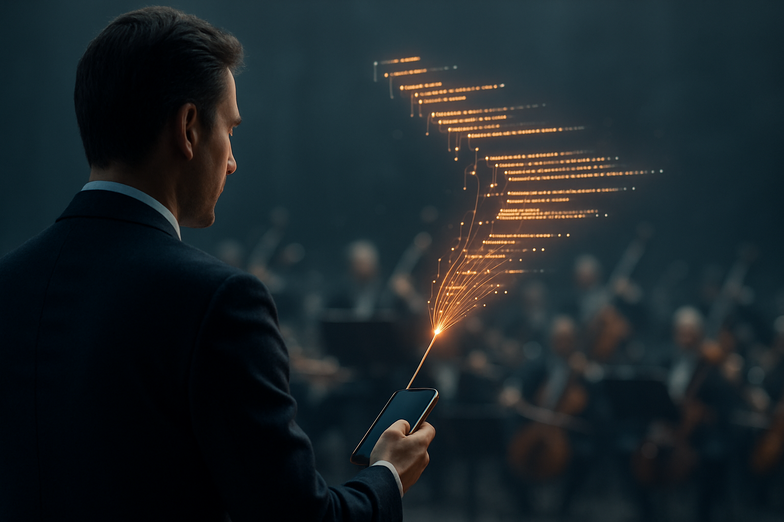
Imagine fixing a bug in your app… while you’re still on the train to work. No laptop open. No IDE. Just your phone and a message in Slack.
That’s not a thought experiment. According to TechCrunch’s recent report, Spotify’s co-CEO Gustav Söderström said that the company’s *best developers haven’t written a single line of code since December*.
Let that sink in.
Instead of typing code themselves, engineers are using an internal AI system called Honk, powered in part by Claude Code. Here’s how it works. An engineer can message Claude from Slack, even on their phone, ask it to fix a bug or add a feature, and by the time they reach the office, a new version of the app is ready to merge into production.
It sounds almost unreal. But Spotify says this shift helped them ship more than 50 new features and updates in 2025, including AI-powered Prompted Playlists, Page Match for audiobooks, and About This Song.
Now, if you’ve been around software teams, you know how long features used to take. Planning. Coding. Testing. More testing. Deployment windows at odd hours. This new workflow compresses that entire cycle into something closer to a conversation. You ask. The AI builds. You review and ship.
And Spotify isn’t stopping there. Söderström described their growing music dataset as something uniquely powerful. Unlike Wikipedia-style facts, music taste is personal. Workout music in the U.S. might lean hip-hop. In Scandinavia, heavy metal dominates. That messy, emotional, human data is hard to commoditize, and Spotify believes it’s building something no one else has at this scale.
Of course, they’re also watching AI-generated music carefully, allowing labels to disclose how tracks are made while policing spam.
We’re clearly at a turning point. Developers aren’t disappearing, they’re shifting roles, becoming directors instead of typists. If this model works at Spotify’s scale, it’s likely just the beginning. And the way we build software in a few years might feel very different from today.




Kommentar abschicken