Scaling Managed Agents: Decoupling the brain from the hands
**Scaling Managed Agents: Decoupling the Brain from the Hands**
If you’ve ever built anything on top of an AI model, you know the quiet frustration. You design clever scaffolding around it, little guardrails and workarounds, only to realize a few months later that the model has improved… and your scaffolding is now the problem.
That’s exactly the tension Anthropic explores in their engineering post, Scaling Managed Agents: Decoupling the brain from the hands.
At the heart of it is a simple but powerful idea. **Harnesses, the systems that guide and structure an AI agent’s work, encode assumptions.** And assumptions age badly.
For example, earlier versions of Claude would sometimes rush to finish tasks as they neared their context limit, a behavior engineers called “context anxiety.” So the team added resets to compensate. Later models no longer had this issue. The fix became dead weight. That’s the kind of subtle technical debt that creeps in quietly.
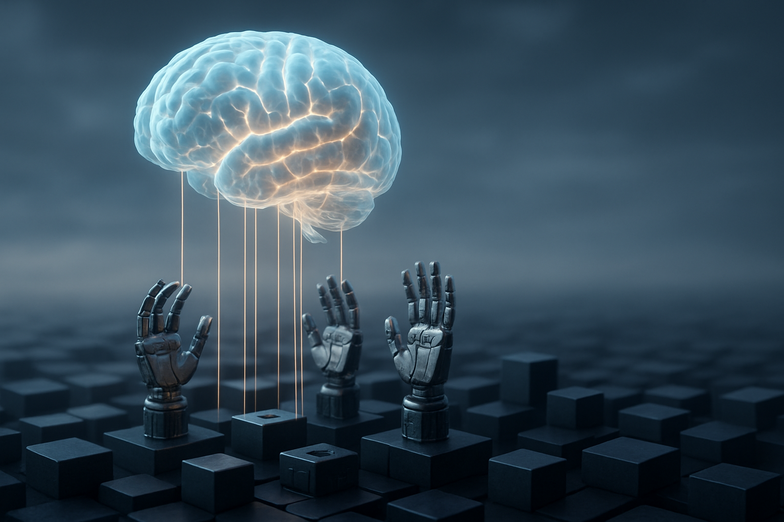
So Anthropic stepped back and asked a bigger question. What if you separated the “brain” from the “hands”?
In their Managed Agents system, they split the architecture into three clean pieces:
• **The session**, a durable log of everything that happened
• **The harness**, the loop that calls Claude and routes tool use
• **The sandbox**, where code runs and files are edited
Think of it like modern operating systems. The abstractions, files, processes, read(), stay stable even as hardware changes underneath. Anthropic is aiming for that same resilience. Stable interfaces. Swappable implementations.
This decoupling solved practical headaches too. Containers stopped being fragile “pets” that needed nursing when they failed. Security improved because credentials were no longer exposed to generated code. Even performance got better, reducing time-to-first-token, which is the delay users actually feel.
If you’re building long-running agents, especially across your own infrastructure, this shift matters. It’s about designing for models that don’t exist yet.
And honestly, that’s the real takeaway. AI systems will keep improving. The smart move isn’t to overfit to today’s quirks. It’s to build structures that can evolve gracefully.
We’re still early in long-horizon agents. But architecture like this hints at a future where agents feel less brittle, more dependable, and far easier to scale.







Kommentar abschicken