How One VP Built an AI Second Brain with Claude Code to Search 15,000 Documents
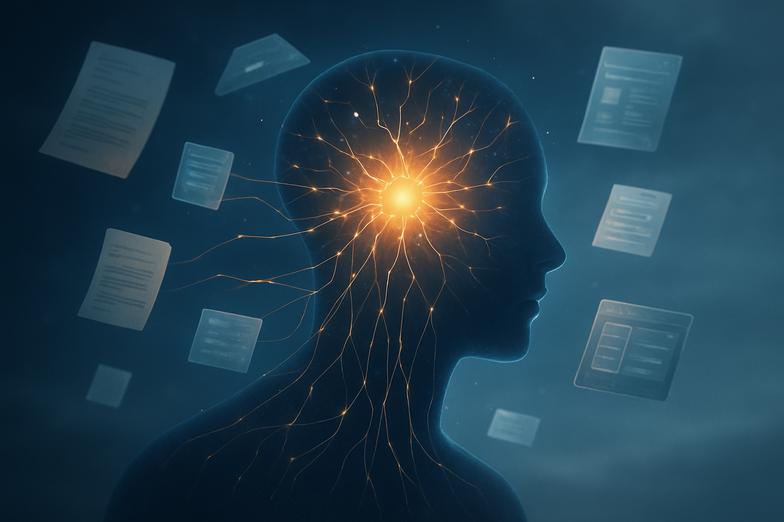
Creating a Second Brain with Claude Code
Based on insights shared by Ryan Wiggs on X
What if you could search your own memory the way you search the web?
That’s the idea behind the “Second Brain” system Ryan Wiggs, VP of Product at Mercury, recently shared. You can read his full thread here: https://x.com/rywiggs/status/2044448092477661638?s=52.
After five years at one company, Ryan had accumulated over 15,000 documents and 3.5 million words of notes, strategies, retros, and analyses. Like most of us, he had read it all… and forgotten most of it. The problem wasn’t effort. It was retrieval.
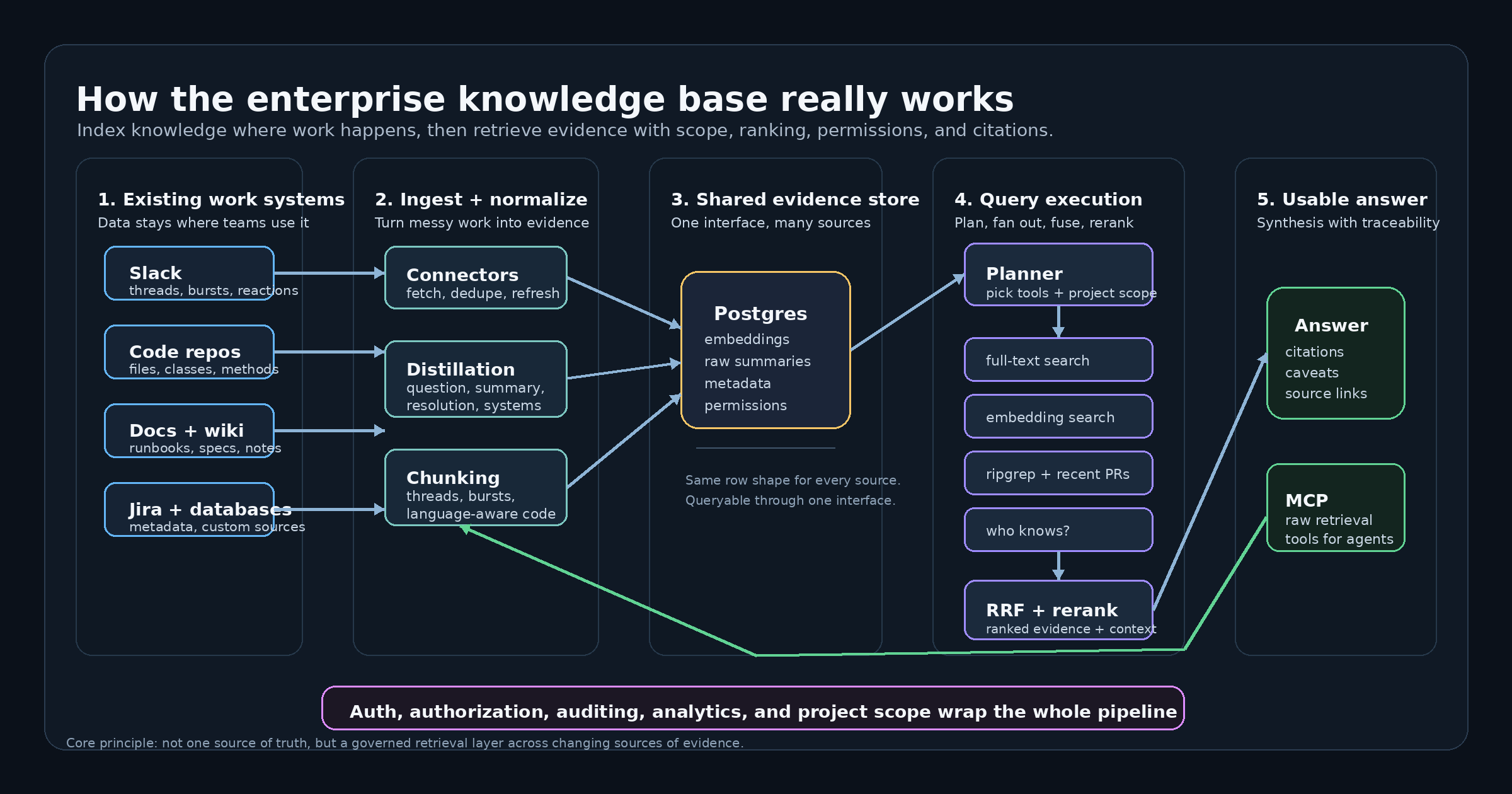
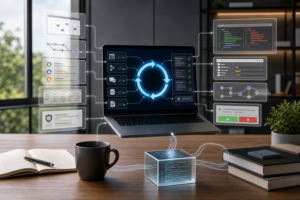
So he built a local system powered by Claude Code, vector search, and tool integrations that could access his entire work history. Think of it as searchable memory, but smarter. Instead of just matching keywords, it understands meaning. Ask about “funnel performance” and it finds conversion discussions, even if the word funnel isn’t there.
What makes this powerful isn’t just storage. It’s reflection.
He fed the system performance reviews, goals, even a personal “me.md” explaining how he thinks and works. The result? It began spotting repeated strategic mistakes he’d been making for years. That part feels uncomfortably human. Like rereading your old journal and realizing the same lesson keeps showing up.
Over time, the system updates itself. After meetings. At the end of the day. Monthly reviews. It generates daily briefs, flags forgotten action items, and prepares context for upcoming conversations. In practice, he says it has doubled his productivity.
What stands out is the shift from reactive to proactive. The system doesn’t just answer questions. It explores, synthesizes across tools, and suggests priorities.
If you’re drowning in Slack threads, docs, and dashboards, this idea hits home. We all have more knowledge than we can actively hold. The tools are finally catching up to that reality.
And this feels like the beginning. As local AI, better connectors, and personal knowledge systems mature, building a true “second brain” might become less of a hacker experiment and more of a standard way we work.
Not to replace your thinking.
But to extend it.


Kommentar abschicken