21 INSANE Use Cases For OpenClaw: Mastering AI Agent Applications

21 Insane Use Cases For OpenClaw, And What They Actually Mean For You
I recently came across a video that genuinely made me pause and rethink what AI agents can do. It’s called “21 INSANE Use Cases For OpenClaw: Mastering AI Agent Applications”, and if you want to watch it yourself, here’s the link:
https://youtu.be/8kNv3rjQaVA?si=jddjml4pCpbEPqMz
The creator walks through 21 practical, real-world applications of OpenClaw, and what stood out to me is how grounded they are. This isn’t abstract AI theory. It’s about building systems that actually help you run your life or business.
Let’s start simple.
OpenClaw can act as a Memory System, managing MD files and organizing knowledge like a second brain. If you’ve ever had notes scattered across apps, random documents, voice memos you forgot about… you know how exhausting that gets. Imagine everything structured and searchable. Calm. Accessible.
Then it goes further.
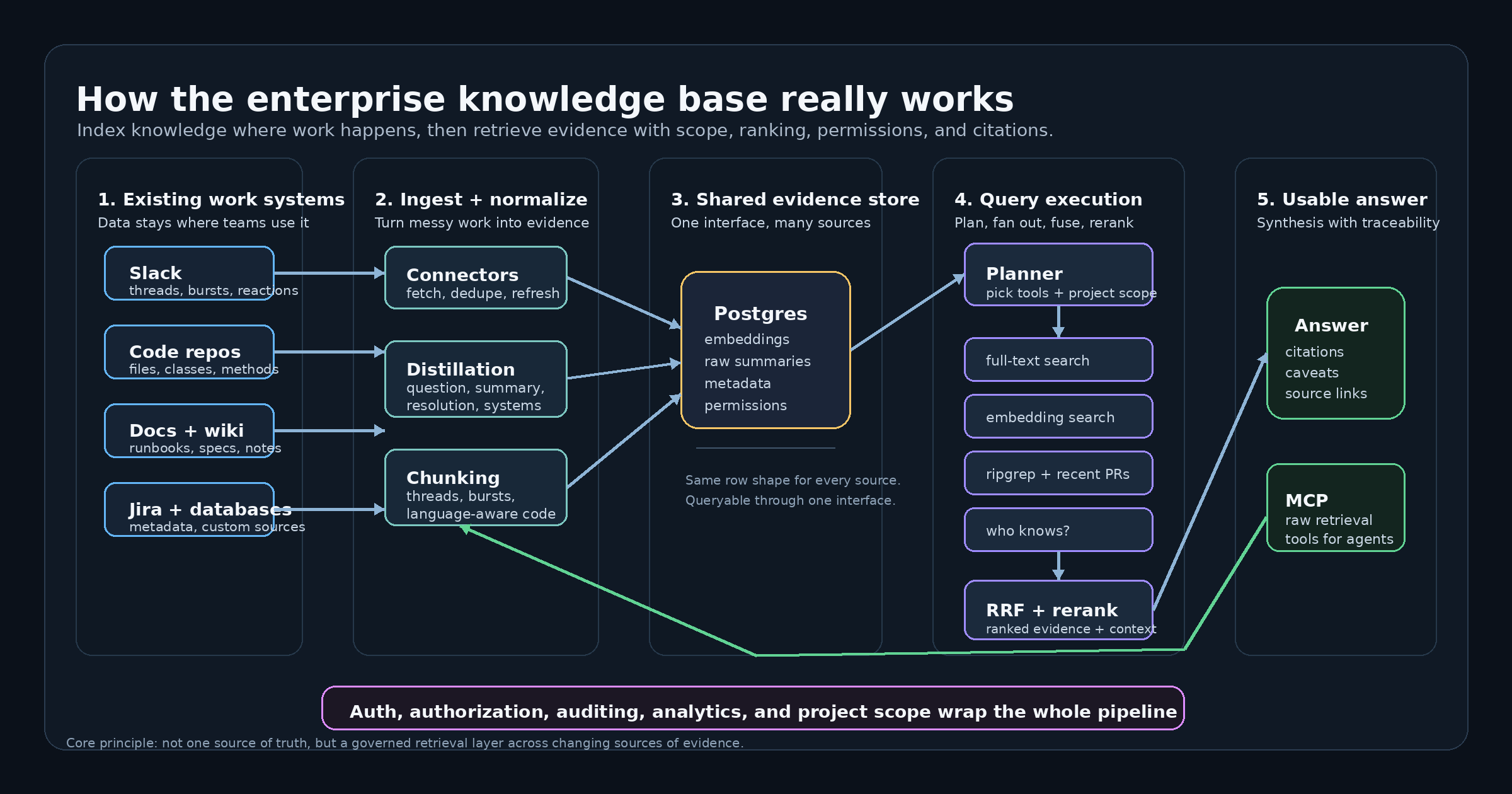
There’s CRM management, automated meeting notes turned into action items, a full Knowledge Base System, even social media ingestion pipelines from X. It’s like having a quiet operations assistant working behind the scenes, connecting dots you’d normally miss.
And it’s not just business workflows.
The video covers things like a Business Advisory Council and a Security Council powered by the agent. Daily briefings. Task orchestration across multiple “councils.” Automation schedules. Even video and image generation. At one point, there’s a food journal example, which honestly made me smile. It shows how flexible the system really is.
What’s especially interesting is the deeper layer, self updates, usage and cost tracking, prompt engineering, developer infrastructure. This isn’t a toy. It’s a framework you can grow with.
If you’ve been wondering how AI agents move from hype to practical systems, this breakdown makes it tangible. Not flashy. Just structured, thoughtful implementation.
And that’s where things are heading, I think. Less chaos. More orchestration. AI not as a gimmick, but as quiet infrastructure you build once and refine over time.
We’re still early. But videos like this show what’s possible when you approach AI like a builder, not just a user.






Kommentar abschicken