How I built a chief of staff on OpenClaw that’s better than any human I’ve hired

Can an AI Really Replace a Chief of Staff?
One VC believes it already has.
In a recent post on X, venture capitalist Ryan Sarver shared how he built an AI chief of staff using OpenClaw, and according to him, it’s more capable than any human he’s hired before. You can read his full thread here: https://x.com/rsarver/status/2041148425366843500?s=52.
Now, that’s a bold claim. Especially from someone in the middle of a fundraise, sitting on boards, advising portfolio companies, and angel investing on the side. This is someone who knows what high leverage support looks like.
So what did he actually build?
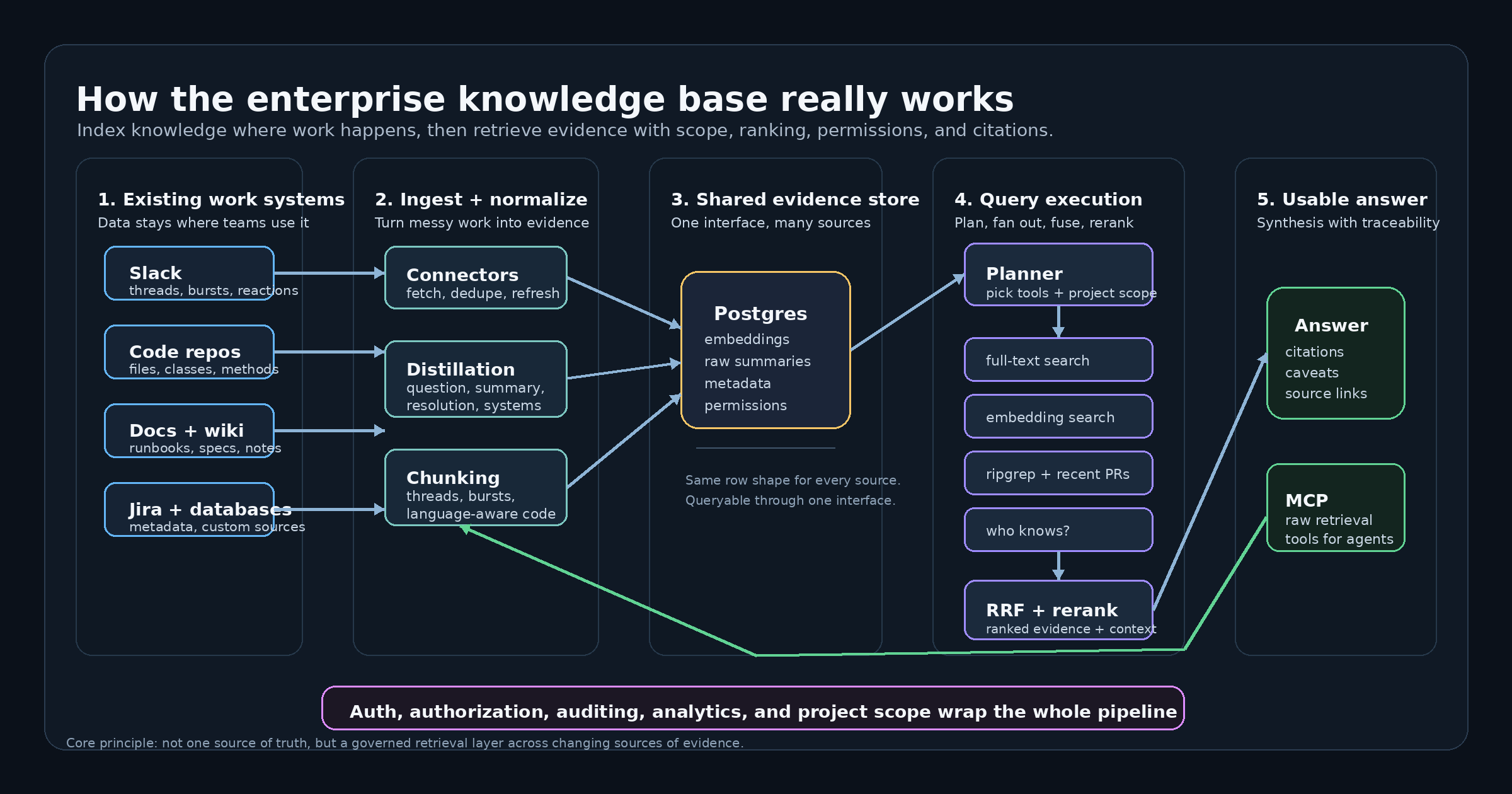
It starts with memory. Not chat history. Not surface level context. Real, structured memory. Daily logs in markdown files. A long term memory document that captures key people, decisions, and lessons learned. The system reads this on startup, so it always knows what matters.
Think about that for a second. Most AI tools feel helpful until they forget something important. This one doesn’t, because it’s designed not to.
Then comes continuous improvement. Every week, the system researches new OpenClaw patterns, reviews its own performance, and suggests upgrades. It learns from corrections. It refactors itself. Over time, it compounds.
That’s the part that feels different. It’s not just automation. It’s iteration.
From meeting prep sent via WhatsApp, to automatic task syncing, to tracking 100 plus LP relationships during a fundraise, the assistant handles the operational layer so Sarver can focus on conversations and decisions. Deterministic tasks run through code. Judgment runs through the language model. Clean separation. Fewer surprises.
If you’ve ever felt buried under follow ups, prep notes, or relationship context scattered across tools, you’ll probably see the appeal. It’s like having someone who never forgets, never drops a thread, and quietly improves every week.
And this is still early.
If this is what one motivated operator can build today, imagine where these systems will be in a year. Not replacing humans entirely, but augmenting us in ways that actually feel reliable.
We’re moving from chatbots to operating models. That shift changes everything.




Kommentar abschicken