Building a Knowledge Management System with Claude Code and Obsidian

Building a Personal Knowledge System with Claude Code and Obsidian
Have you ever saved an article, bookmarked a podcast, maybe highlighted a PDF… and then never looked at it again?
Yes. Same here.
That’s exactly the problem this fascinating project tackles. In the video Building a Knowledge Management System with Claude Code and Obsidian, the creator introduces something called “Claudeopedia”, a living, searchable wiki built directly inside Claude Code.
And it’s not just a note-taking system.
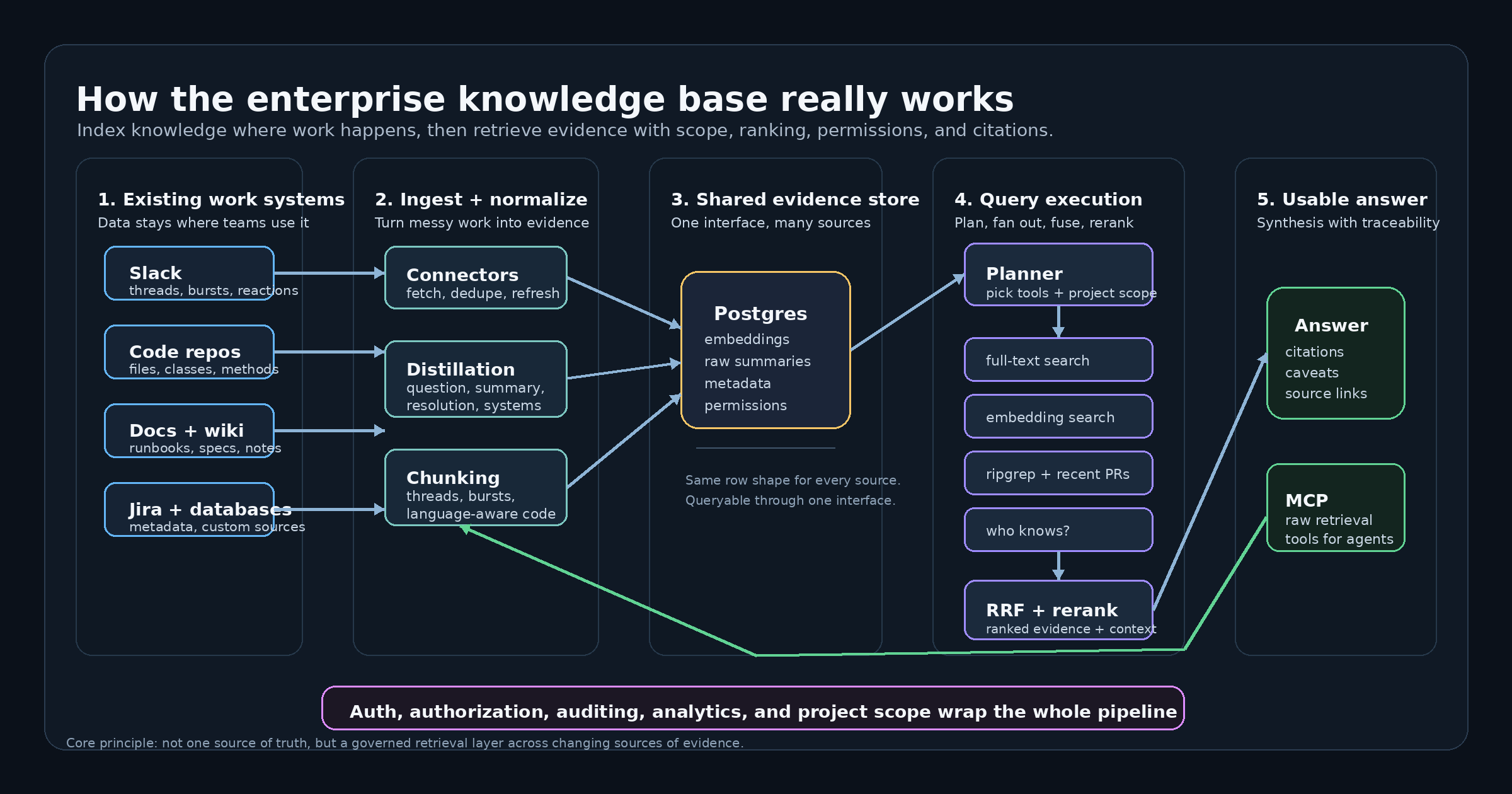
It ingests content from podcasts, articles, PDFs, and more. Then it automatically extracts key entities, builds cross references between them, and even flags contradictions. Imagine reading two experts who disagree on the same topic, and your system quietly raises its hand and says, “These claims don’t match.” That’s powerful.
What I love most is how grounded it feels. The backend runs on simple markdown files inside Obsidian. Nothing fancy. Nothing locked away in some black box. Just clean, local files you control. If you’ve ever used Obsidian, you know how comforting that is. Your knowledge stays yours.
Then comes the visual layer. Claudeopedia renders everything as an interactive graph in the browser, almost like a living jellyfish of ideas. You can explore connections dynamically, watching nodes and edges grow as new information flows in. It’s the kind of thing that makes abstract thinking feel tangible.
Updates are streamlined through a simple /wiki command. There’s even a /wiki-last-30 automation that pulls in weekly research using a cron job. Set it once, and your knowledge base keeps evolving.
The project also nods to inspirations like Andrej Karpathy and Matt Van Horn, which makes sense. This sits at the intersection of AI tooling and thoughtful system design.
We’re moving into a world where information isn’t scarce, but clarity is. Systems like this don’t just store knowledge. They shape how you think.
And honestly, building something like this might be one of the most practical ways to stay ahead in the years to come.





Kommentar abschicken