OpenMed v1.0.0 Released: A Stable Open-Source Library for Medical AI in Python
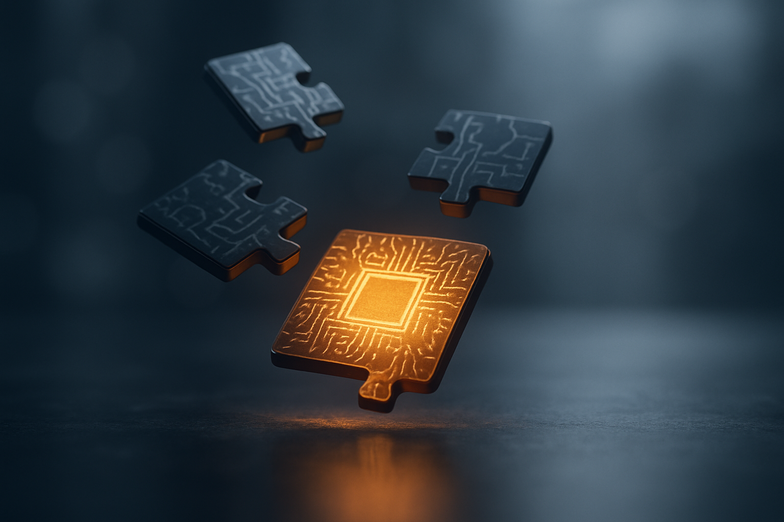
**OpenMed v1.0.0 Is Here – And It Finally Feels Cohesive**
If you’ve been watching the OpenMed project evolve, you probably felt it too. Lots of promise. Rapid updates. A bit of shifting ground under your feet.
With the official OpenMed v1.0.0 release, things feel different. More stable. More intentional. Like the pieces have finally clicked into place.
Let’s walk through what that actually means for you.
**A Stable Core for Python Workflows**
At the heart of this release is a stable `openmed` package for Python. That alone matters. When you’re building anything serious, whether it’s research tooling or a production pipeline, stability isn’t exciting… but it’s everything. You want to focus on your idea, not wonder if the next update will break your environment.
Now, you can.
**Native Apple Silicon Support with MLX**
This is where it gets interesting. OpenMed 1.0.0 includes MLX runtime support across Apple Silicon. If you’re working on a Mac with M-series chips, you know how powerful they are. But power only matters if software actually uses it well.
MLX support means better performance and a tighter integration with Apple hardware. It’s not just “it runs on a Mac.” It’s built with Apple Silicon in mind.
And honestly, that shift toward optimization instead of just compatibility is a big deal.
**Swift Package + Xcode Integration**
Here’s the part many Apple developers have been waiting for. *OpenMedKit* is now part of the official 1.0.0 story, available as a public Swift package. You can pull it directly into Xcode and integrate OpenMed into macOS or iOS apps without awkward workarounds.
The included Xcode demo now reflects this cleaner setup too. Less friction. More clarity.
**A Clearer Apple-Platform Direction**
What stands out most in this release isn’t just new features. It’s the direction. Python runtime. MLX acceleration. Swift integration. All aligned around a coherent Apple-platform ecosystem.
That kind of clarity makes planning easier. It makes building feel safer.
And if this is the foundation for 1.x… the next iterations could get very interesting.




Kommentar abschicken