Building Self-Improving Companies with AI
Building Self-Improving Companies with AI
There’s something interesting happening in the way we think about companies now. For a long time, business structure has felt a bit like an old machine, sturdy, familiar, and maybe a little too proud of its own gears. But in this conversation, YC General Partner Tom Blomfield is pointing toward something else entirely, a company that doesn’t just run, but learns. A company that gets better while it works.
You can watch the full talk here: https://youtu.be/t-G67yKAHBQ
Blomfield’s big idea is that the old “copilot” mindset only gets you so far. Sure, AI can help with tasks. Drafting, sorting, summarizing, nudging. Useful stuff. But he argues the real opportunity is much bigger, building explicit execution layers where AI can actually act, not just suggest. That shift changes everything. It’s the difference between a helpful passenger and someone who can take the wheel when needed.
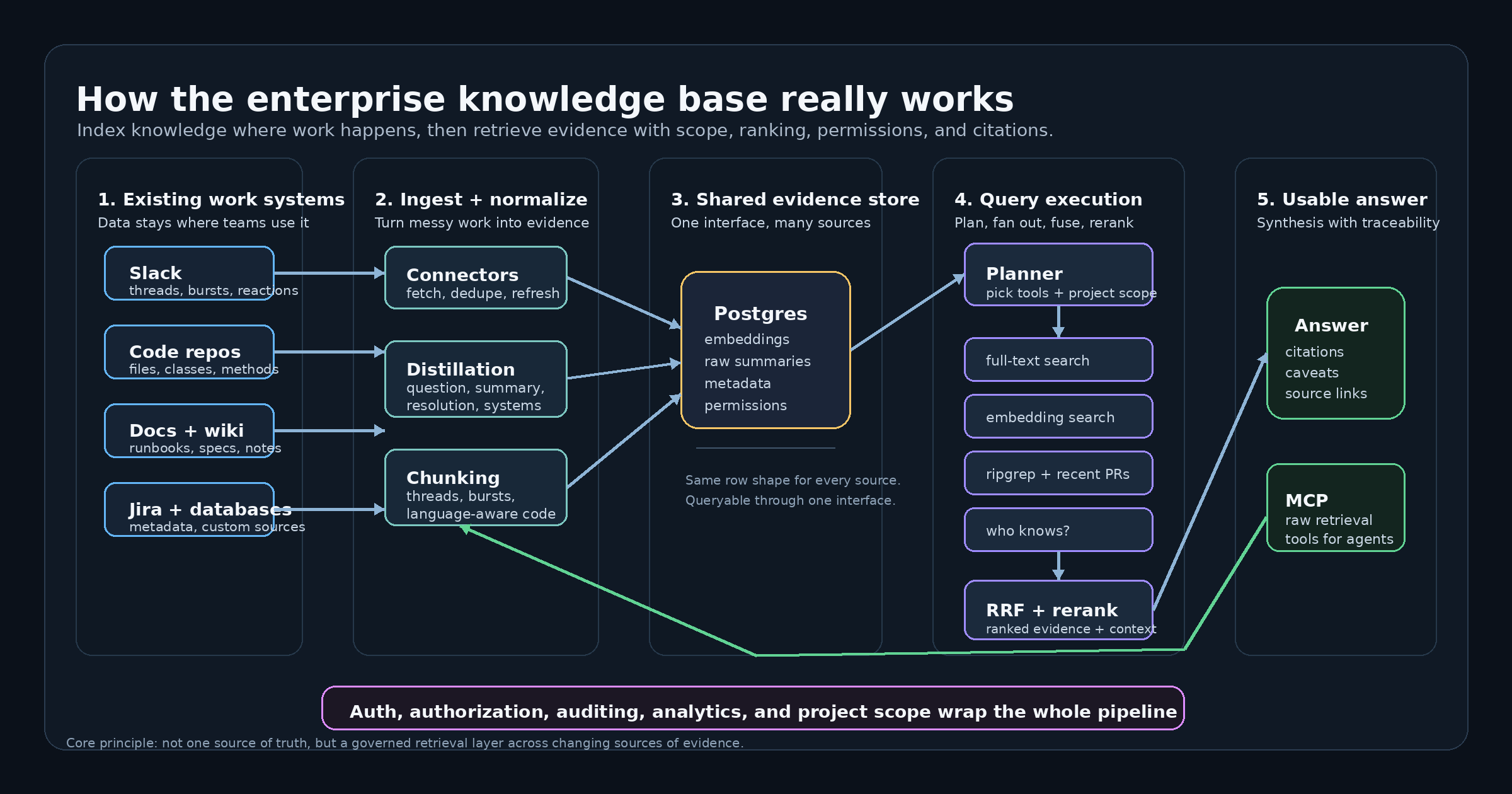
A big part of this starts with making internal knowledge legible to AI. That sounds technical, but it’s really about cleaning up the messy corners of a company so the system can actually understand what’s going on. Processes, decisions, customer data, support history, product behavior. If it’s hidden in someone’s head or buried in a maze of documents, AI can’t help much. Once that knowledge is visible, though, the loop begins.
And that loop is the exciting part.
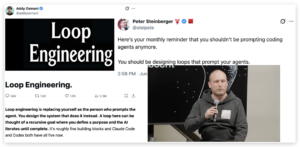
Blomfield describes a recursive self-improving cycle, where AI learns from the company’s own activity, adjusts its behavior, and improves the business over time. Think product teams, support systems, even operational decisions, all getting sharper through feedback. Not perfectly, not magically, but steadily. Like a greenhouse that keeps learning how much water each plant actually needs.
He also makes a blunt point that’s hard to ignore, burn tokens, not headcount. In other words, let automation absorb repetitive work before you default to hiring more people. That doesn’t mean humans disappear. It means their role shifts toward judgment, context, and the kinds of decisions machines still fumble.
The future he sketches is a little unsettling, sure, but also oddly energizing. Software becomes more temporary. Context becomes more valuable. And companies that can turn their own knowledge into a living system may end up moving faster than everyone else.
That’s the real takeaway here. The next generation of businesses may not just use AI. They’ll be shaped by it, improved by it, and maybe, if the setup is right, taught by it too.





Kommentar abschicken