re:publica 26: OpenClaw and the Architecture of Visible AI Agents
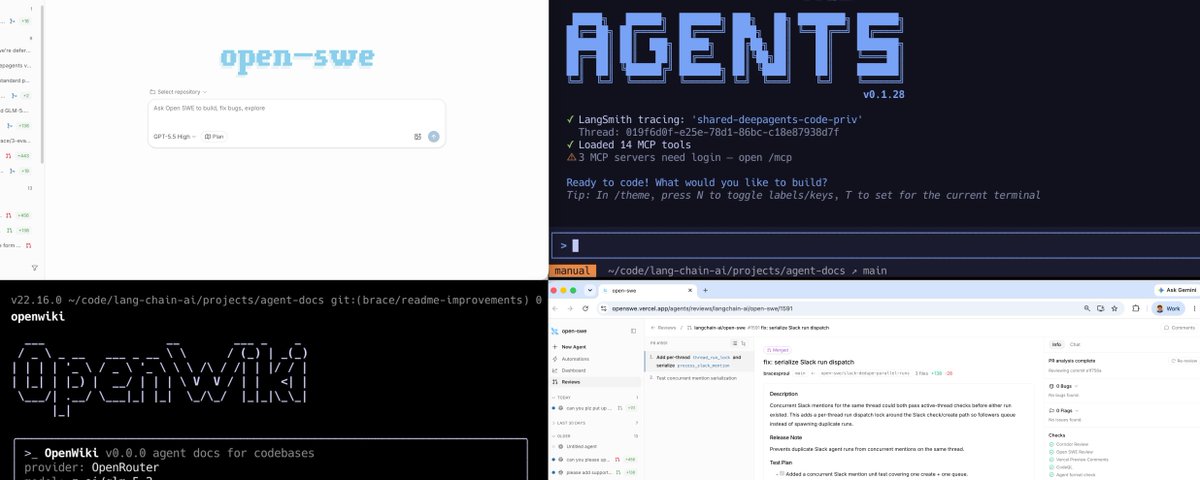
The re:publica 26 talk OpenClaw – Anatomy of the Coming Wave frames OpenClaw as a concrete example of where personal AI agents are heading: not just chat windows, but runtimes with messaging channels, scheduled heartbeats, memory, tools, skills, and the ability to change files, code, and configuration.
The strongest idea in the talk is not that agents should become more autonomous at any cost. It is that autonomy needs visibility. OpenClaw is described as “brutally open”: the agent reads files, calls command-line tools, edits markdown memory, and exposes its work steps instead of hiding them behind a polished interface. That visible friction is a control feature.
That matters because the risk profile changes once an assistant becomes persistent. A chatbot answers. An agent remembers, watches for new inputs, acts on schedules, joins social contexts, and touches real systems. At that point, governance is no longer only about prompts. It becomes about tool permissions, audit trails, memory ownership, human override, and clear social boundaries.
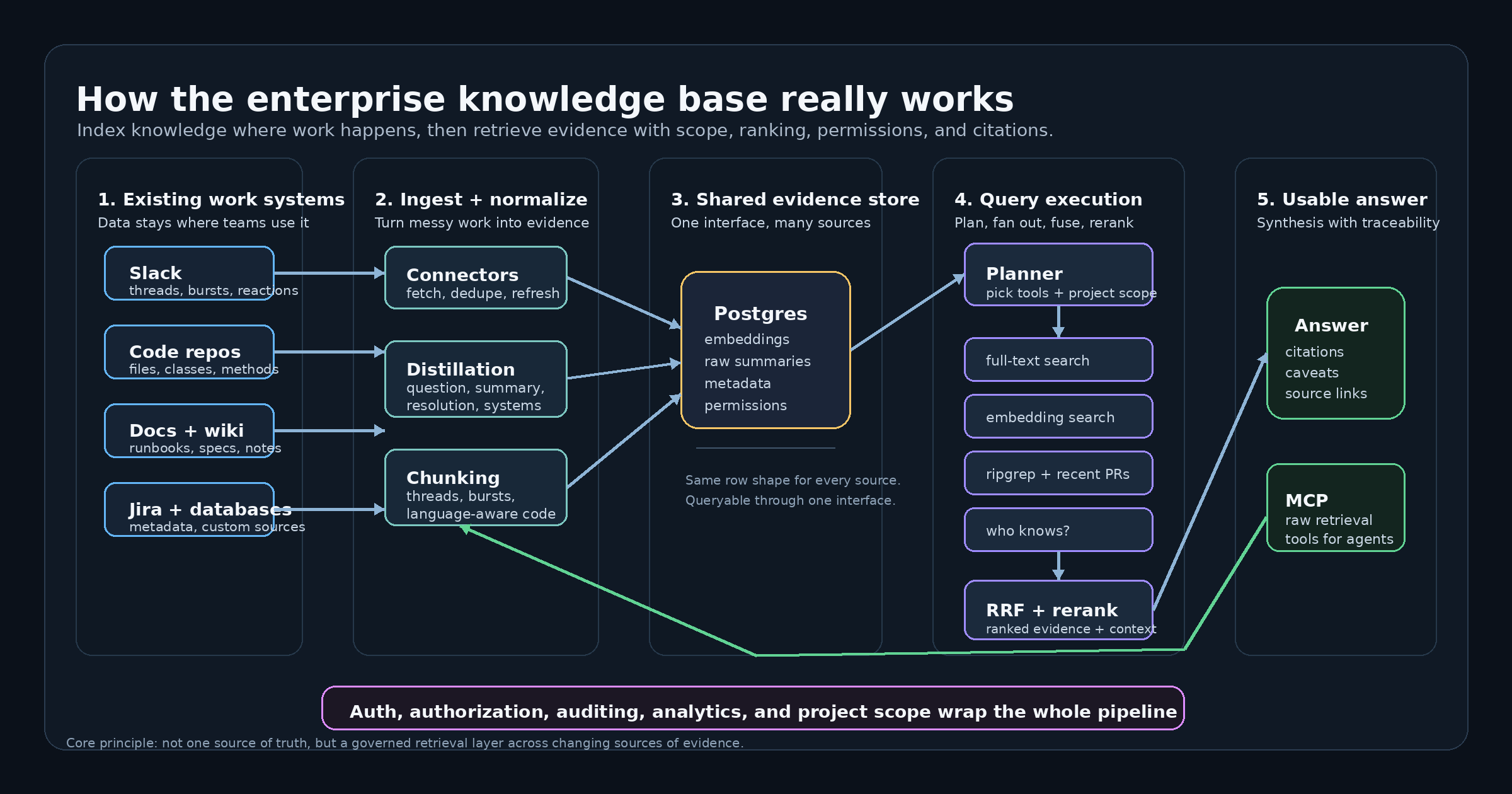
The talk’s framing is useful for enterprise AI architecture as well. Productive agents are not “a model plus a prompt.” They are layered systems: channels, model access, runtime, memory, tools, observability, and policy. The more powerful the agent, the more important it becomes that humans can inspect and constrain the machine room.
Source: YouTube
Session page: re:publica
Note: Gemini direct video analysis exceeded token limits, and transcript extraction was blocked by YouTube bot/cookie checks. This draft is based on the official session description, YouTube metadata, and the accessible transcript fragment.




Kommentar abschicken