L8 Principal’s Agentic Engineering Workflow
You can watch the video here: https://youtu.be/iQyg-KypKAA
Kun Chen’s L8 Principal’s Agentic Engineering Workflow is one of those talks that feels less like a product demo and more like a working session you’d actually want to sit in on. The focus is tight: how a principal engineer builds around agentic coding without letting the whole thing turn into noise, chaos, or endless context thrash.
The setup starts in the terminal, which makes sense. WezTerm handles the front door, tmux keeps sessions organized, and Neovim stays at the center of the actual work. That combination may sound old-school at first, but there’s a reason it keeps showing up in serious engineering teams. It gives you control. It keeps your hands close to the work. And when you’re coordinating agents, testing changes, and managing long-running jobs, that matters more than the shiny layer on top.
One of the more useful ideas in the video is the use of memory files. There’s a global memory file for general context, then a project-level memory file for the specifics that only matter in that repo. That sounds small, almost mundane, but it solves a real problem. Agents don’t just need instructions, they need the right context at the right scale. Too little and they drift. Too much and they start tripping over themselves.
Kun also walks through skills, voice input, interactive planning artifacts, validation steps, and the reality of parallel worktrees with multiple agents. That last part is where things get interesting, because it turns the workflow from “AI helps me code” into something closer to an operating system for engineering throughput. Not magic. Just structure.
There’s a useful companion read here too, especially if you’re thinking about the broader shift in how teams are organized around AI tools: A Leader’s Guide to Advanced Team Structures in an Agentic AI World.
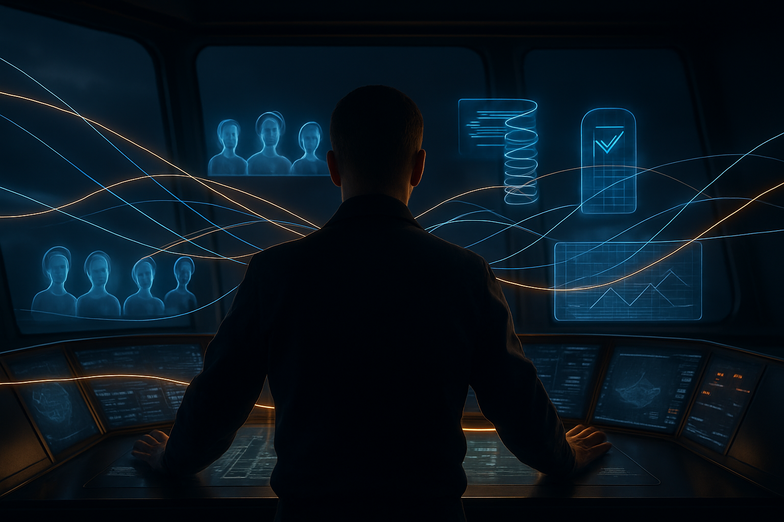
The closing mindset in Kun’s talk is the part worth sitting with. He frames the engineer less like a passenger and more like a captain, someone who keeps the system moving, checks the signals, and knows when to step in. That feels like where a lot of real AI engineering is headed, not faster typing, but better command of the workflow around the typing.



Kommentar abschicken