AI in 2026: 3 Predictions For What’s To Come
AI in 2026: Three changes you’ll probably notice
I watched a short episode in the Big Ideas 2026 series, and it stuck with me. If you want to see the original, here’s the video: https://youtu.be/J6_nNjy3al8?si=4KBPl_oYB42u3bSf.
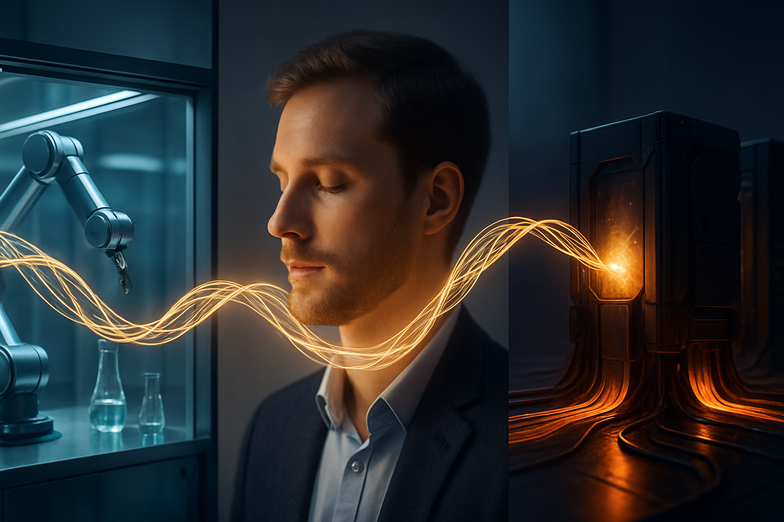
Here’s the short version, in plain talk. First, labs will move from automation to autonomy. That means AI systems will not just run machines, they’ll reason about experiments and suggest next steps. I remember visiting a small university lab where a robot handled pipetting, and it felt like watching a very fast, very patient assistant. Now imagine that assistant thinking several moves ahead, and you get why interpretability matters, because scientists need to trust how conclusions were reached.
Second, consumer AI will stop being just a productivity tool, and start feeling more human. That sounds odd, but think about apps that remember what matters to you, help you become who you want to be, and even act like a relationship facilitator. I use a scheduling tool that now writes messages for me in my voice, and it’s weirdly comforting when it gets the tone right. Personalization will go deeper, so you feel seen, not tracked.
Third, the winners will be companies that bake AI into their business model, not bolt it on later. When AI is tied to proprietary data and product flows, it creates compounding advantages. The video points to areas like plaintiff law and lending, where better predictions lead to both better outcomes and more revenue, and those benefits reinforce each other over time.
Bottom line. These shifts are practical, not sci fi. With thoughtful design and clearer explanations, AI in 2026 can speed discovery, help us connect better, and make businesses work smarter for people. I’m cautiously optimistic. You should be curious too.
KI im Jahr 2026: Drei Veränderungen, die auffallen werden
Ich habe mir eine Folge der Serie Big Ideas 2026 angesehen, hier ist das Video: https://youtu.be/J6_nNjy3al8?si=4KBPl_oYB42u3bSf.
Kurz und direkt. Erstens: Labore werden autonomer, nicht nur automatisiert. KI wird Experimente planen und Ergebnisse erklären müssen. Ich war mal in einem Labor, wo ein Roboter die Routinearbeiten übernahm, und das fühlte sich an wie ein sehr zuverlässiger Assistent. Wenn diese Systeme aber anfangen zu „denken“, wird Transparenz entscheidend.
Zweitens: Konsumenten-KI geht über Produktivität hinaus, sie wird Beziehungen unterstützen. Stell dir eine App vor, die dich wirklich versteht, dir hilft, deine Identität zu formen, und dabei menschlich wirkt. Ein Tool, das Nachrichten in deinem Ton verfasst, kann plötzlich Nähe erzeugen, weil es dich „sieht“.
Drittens: Geschäftsmodelle, die KI tief integrieren, schaffen einen kumulativen Vorteil. Wenn proprietäre Daten und KI zusammenwirken, werden Vorhersagen besser, Ergebnisse besser, und das steigert den wirtschaftlichen Erfolg. Beispiele aus Kanzleien oder Kreditvergabe zeigen, wie das praktisch aussieht.
Fazit. Das ist kein Science fiction. Mit klarer Gestaltung und erklärbaren Systemen kann KI Forschung beschleunigen, echte Verbindungen fördern und Unternehmen robuster machen. Ich bin optimistisch, und du solltest neugierig bleiben.






Kommentar abschicken