GitHub – roboflow/supervision: We write your reusable computer vision tools. 💜
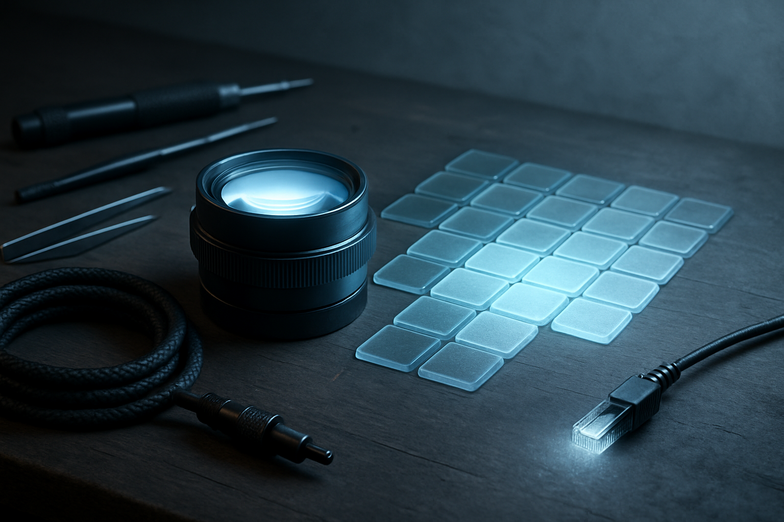
If you’ve ever tried to build a computer vision project, you probably know the feeling. One model works. Then the next one needs different inputs. Then the annotations get messy. Then the dataset needs splitting, again. It’s a bit like setting up a workshop where every tool drawer looks different depending on which job you picked up that morning.
That’s exactly where Supervision comes in.
You can explore the project here: https://github.com/roboflow/supervision
Built by Roboflow, Supervision is designed as a reusable toolkit for computer vision, which is a simple idea with a lot of practical value. Instead of forcing you to rebuild the same plumbing over and over, it gives you the pieces you need for data loading, dataset management, real-time zone counting, and visual annotations. That means you can spend more time building the application around your model, and less time wrestling with repetitive setup.
What makes it especially useful is that it’s model agnostic. In plain terms, you’re not locked into one ecosystem. You can plug in classification, detection, or segmentation models, and Supervision works with popular libraries like Ultralytics, Transformers, MMDetection, and Inference. That flexibility matters. A lot. Especially when you’re comparing models, testing ideas, or just trying to keep your workflow from becoming a tangled mess.
There’s also a strong focus on customizable annotators, which is one of those details that sounds small until you’re actually building something real. Clear visualizations can make the difference between a demo that feels clunky and one that instantly makes sense.
Supervision also includes useful dataset utilities to load, split, merge, save, and convert datasets, plus guides, cookbooks, and examples to help you move faster without feeling like you’re guessing in the dark.
And that’s the nice thing here. Supervision doesn’t try to be the whole project. It tries to be the sturdy middle layer, the part that holds everything together quietly.
For anyone working in computer vision, that’s a pretty welcome role. It feels practical, flexible, and very much built for real-world work. And honestly, those are the tools that tend to stick around.



Kommentar abschicken