The Future of AI Agents with Andrew Ng at Interrupt 26

The Future of AI Agents with Andrew Ng at Interrupt 26
You can watch the talk here: https://youtu.be/OaRhpwz_TGM?is=48FFeeYl094J0RkP
Andrew Ng’s conversation at LangChain’s Interrupt conference feels grounded in a way a lot of AI talk doesn’t. He isn’t selling a fantasy where agents magically replace teams overnight. He’s looking at the messy middle, the part where software gets built, decisions get delayed, and companies have to figure out what actually changes when AI starts doing real work.
One of the clearest threads in the discussion is the rise of coding agents. Ng describes a world where small teams can move much faster because agents take on more of the repetitive building, testing, and glue work. That changes the shape of a team. It also exposes a familiar problem, the product management bottleneck. If engineering gets faster but product decisions stay slow, the whole system starts to feel like a car with a bigger engine and the same narrow road.
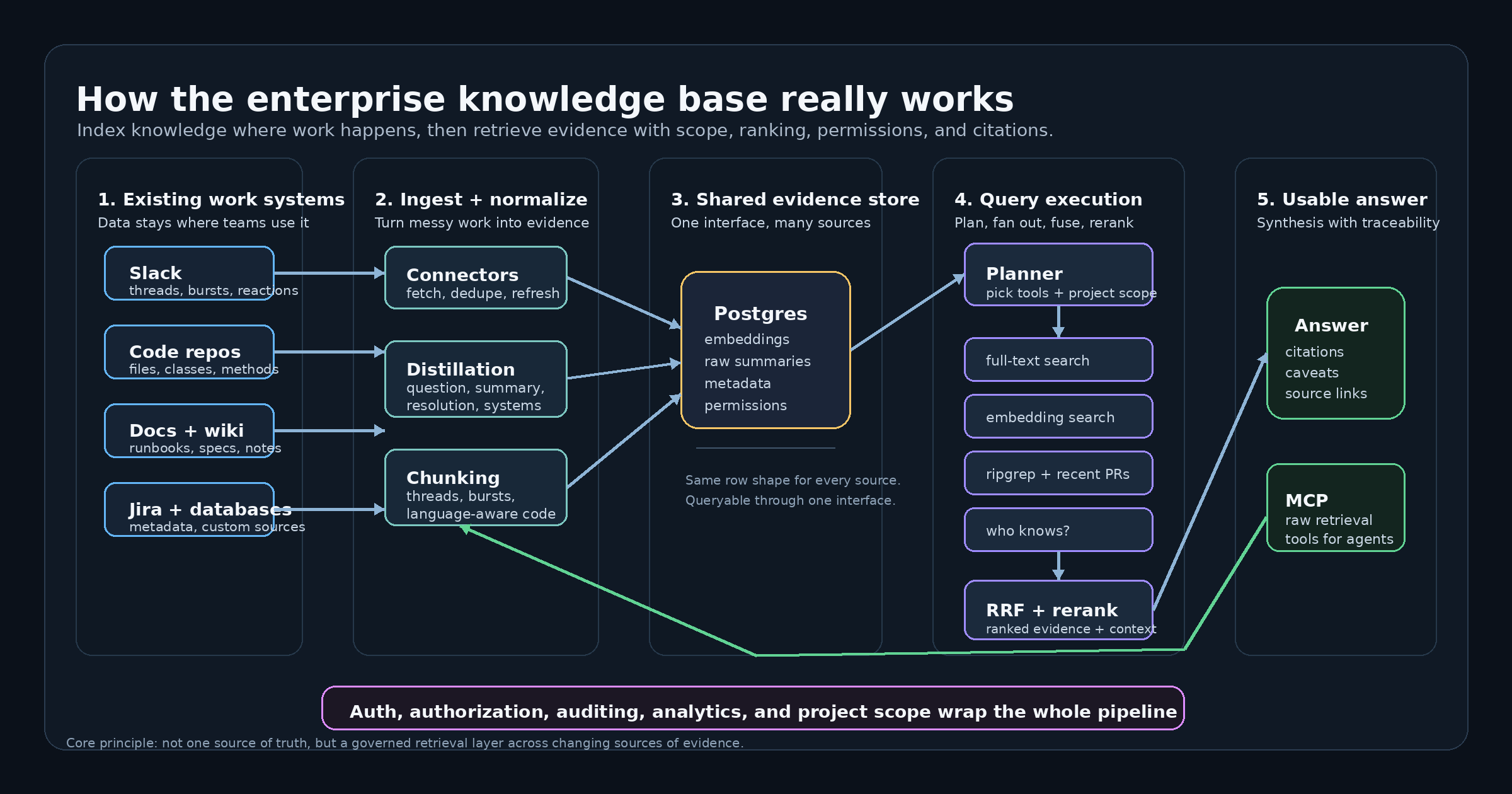
He also spends time on something many enterprises still underplay, data architecture. Before agents can be useful, the underlying information has to be organized well enough to support them. That means thinking about unstructured data, keeping systems current, and preserving optionality so you’re not trapped by one vendor’s stack. Ng’s point on vendor-neutral layers, including LangSmith, is practical. Companies want leverage, not dependency dressed up as convenience.
There’s a useful business angle here too. Ng talks about measuring ROI in real terms, whether that’s lowering costs or driving growth. That’s the conversation most teams actually have once the pilot stage wears off. The loan underwriting example lands because it shows the difference between a flashy demo and something that changes operating reality.
For readers following the broader agent conversation, this pairs well with the earlier piece on Headroom, because both point to the same quiet truth, agents only get better when the context they see is lean, current, and useful.
The big takeaway is simple enough. AI agents are moving from side projects into the way software work gets organized. The companies that do well won’t be the ones chasing every new model. They’ll be the ones building around data, process, and flexibility, then letting agents do the parts that machines are already getting good at.







Kommentar abschicken