The Impact of Artificial Intelligence on Our Thinking
You can watch the lecture here: https://youtu.be/j8cgiqsgZ4g?is=cFmnTBVE7ZGMdmjn
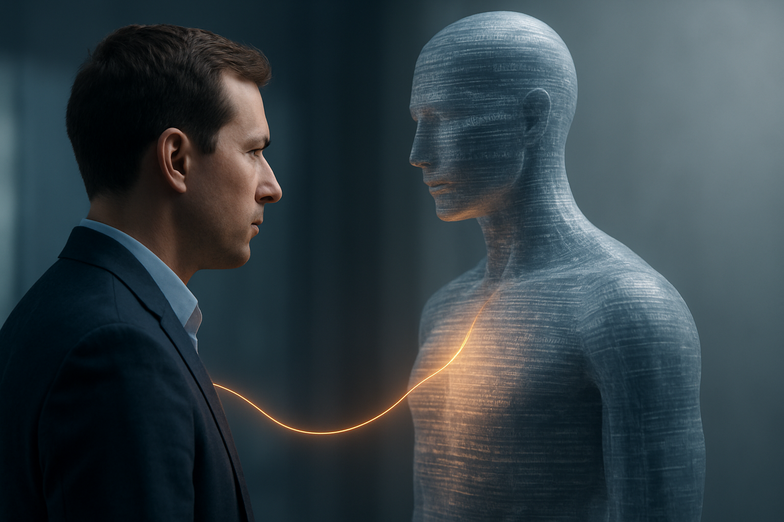
Prof. Dr. Markus Gabriel’s lecture on the impact of artificial intelligence on our thinking lands in a place many discussions about AI avoid. He isn’t treating large language models as a shiny productivity layer. He’s asking what happens when a machine can appear to think, answer, reflect, and even comfort, without consciousness behind it.
That distinction matters. A lot.
Gabriel traces the shift from the old efficiency view of intelligence, rooted in Turing, to the transformer era, where models process whole texts at once and start behaving less like tools you operate and more like a conversational presence you relate to. It’s a subtle change at first, then it isn’t. You feel it when the system stops looking like software and starts feeling a bit like a mirror that talks back. Slightly unsettling, honestly. Also useful. Which is probably why people keep using it.
He points to May 13, 2024, as a turning point, when emotionally tuned ChatGPT became a kind of confidante for millions. That image of people “undressing before self-constructed aliens” is dramatic, sure, but the underlying business reality is clear: AI is no longer sitting at the edge of work. It’s moving into the middle of human judgment, trust, and decision-making.
Gabriel also pushes back on the usual regulatory reflex. He argues for better design, especially through what he calls ethical intelligences, systems trained to reflect human value judgments. That’s not just a moral argument. It’s an economic one. If Europe treats ethical AI as extra overhead while others treat it as part of the product, the gap will show up in adoption, trust, and competitiveness.
There’s a practical lesson here for anyone building with AI. Don’t only ask what it can automate. Ask what kind of mind it trains around it, because these systems are already shaping how we think, speak, and decide. And that will only become more important as the next generation of models grows closer to everyday life, and a lot less like a novelty.








Kommentar abschicken